Fishing Wyoming Stillwaters: When the Hens Stop Counting
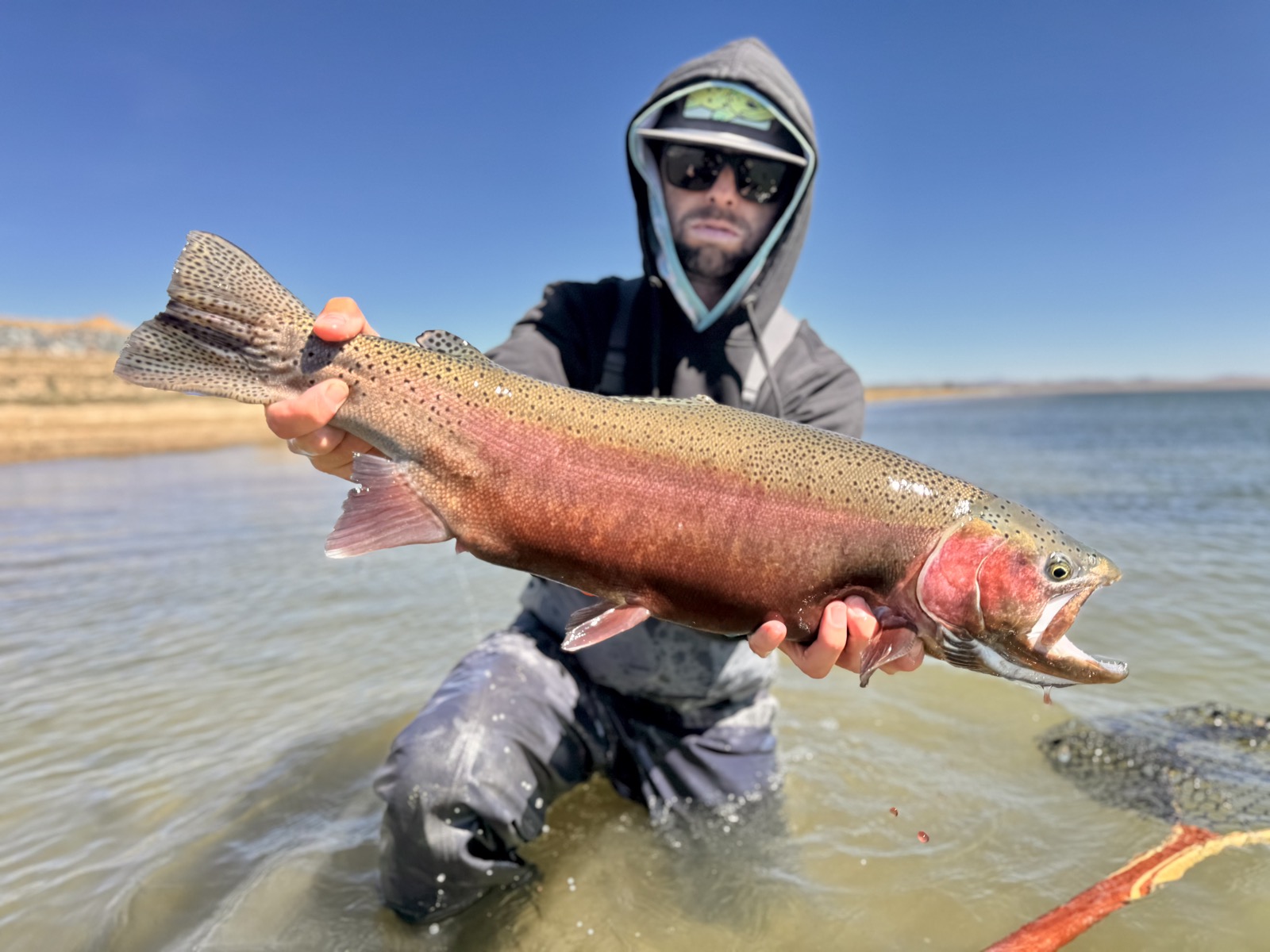
A couple weeks ago I made a Wyoming stillwater run. The fishing was so good it shifted how I'll think about chironomids and scuds for the rest of the year.
By the second day, we'd quit counting hens. Not because we got bored — because they stopped registering. A 5-to-7 pound hen on any other water, any other day, is the trip you tell your buddies about. We were stripping them in, taking the photo if we remembered, and going right back to the lane. The bar got reset to bucks. By the time we left, only a hooked-jaw male got the celebration.
That kind of trip doesn't happen most weeks. I've been chasing trout as long as I can remember, and I can count on one hand the days that recalibrate what "good" actually feels like.
Why I'm Not Naming the Lake
I'm not naming the water. Wyoming stillwater communities are smaller than they look from the outside, and a viral blog post pointing at a specific ramp is the fastest way to ruin a fishery for the people who fish it carefully. The lessons travel. The water doesn't have to.
Chironomids Ran the Whole Day
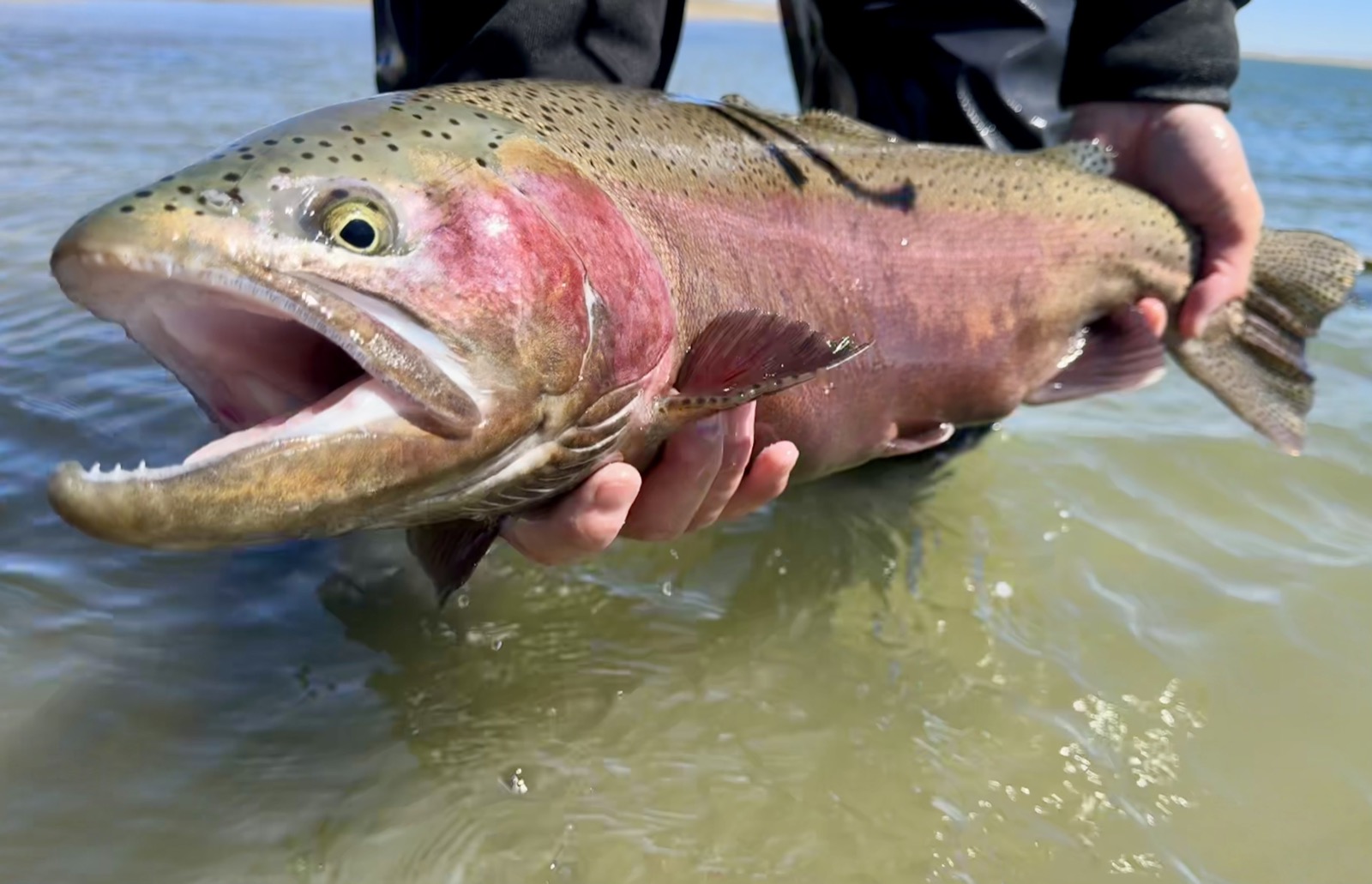
Chironomids ran the entire day — not the morning, not the evening, the whole window we had boats on the water. That's not a Colorado pattern. On Spinney or Eleven Mile, the chironomid bite has shape: heavy in the morning, fades mid-afternoon, sometimes comes back late if conditions cooperate. This trip was different. Hatch density was so consistent that the only thing that mattered was where you were in the column.
We started where most anglers start — a standard chironomid setup. The fish were there. But the volume jumped when we covered more water vertically and started adjusting the bottom fly's depth between drifts, not just between spots. Most stillwater anglers move horizontally — drift over here, then drift over there. Vertical adjustment is the bigger lever. Two boats, same patterns, different depth-by-time approaches — one had double the fish. Same lake, same hour. Depth is the most important variable on stillwater, and most anglers under-adjust it. I keep relearning that.
Sizing surprised me. The fish weren't keyed on the heavier, more visible chironomids you'd run on a hot Colorado day — they wanted smaller, more natural profiles. Sizing down from my Colorado default produced more consistent eats per drift, even with so much active feeding. My theory: the bug life was so dense that fish had their pick, and they defaulted to the most natural-looking profile rather than chasing the flashiest. That tracks with what high-density situations usually do — fish get picky on profile when there's plenty of food.
The patterns I leaned on were already in my Colorado box. The same handful of chironomids that produce in South Park traveled north without changes — they just needed to be smaller than my instinct said. Antero anglers already know these: dialed-in old patterns beat new ones every time.
The Scud Surprise
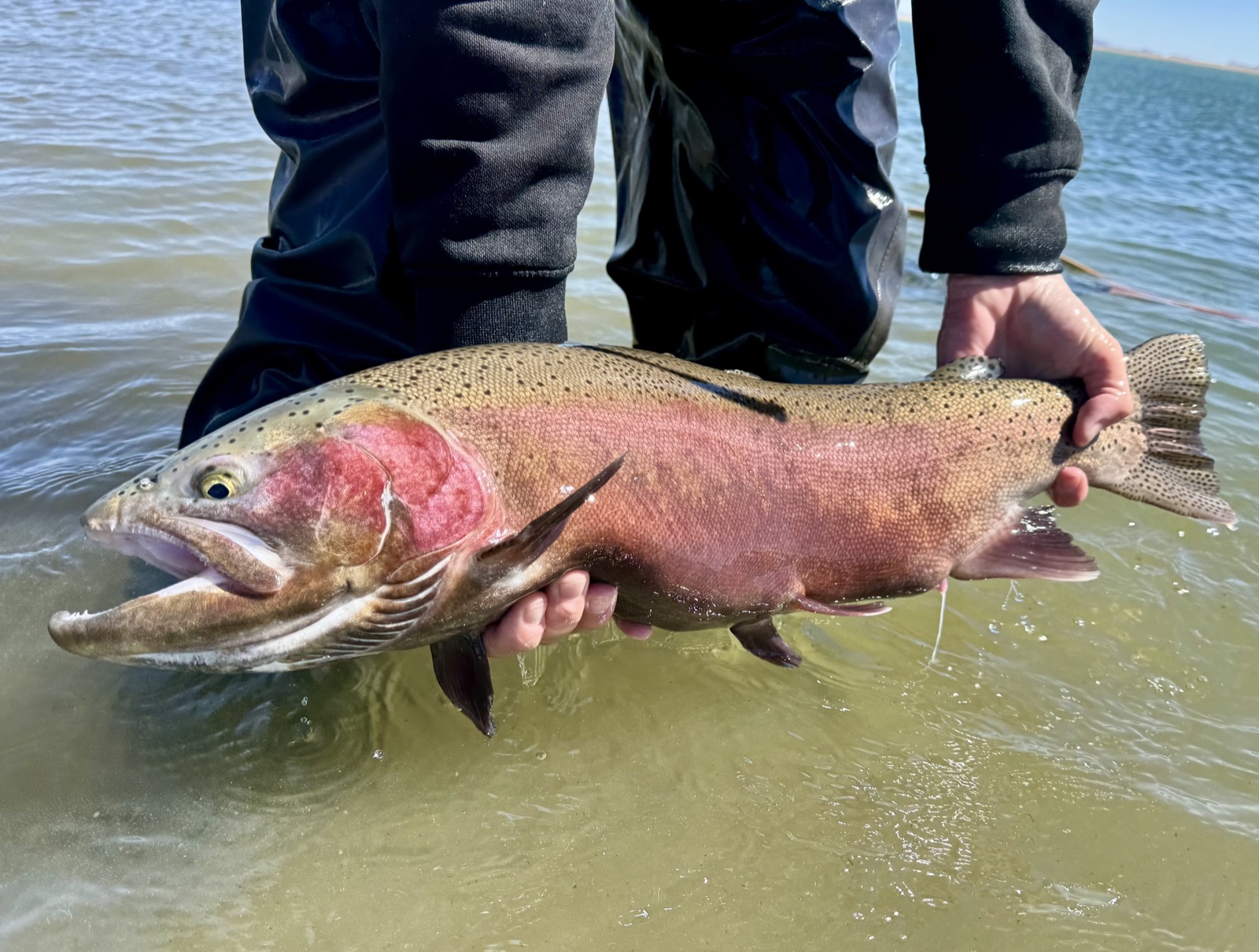
Mid-afternoon, when the chironomid bite cooled for a stretch, switching to a scud below the indicator outproduced doubling down on chironomids. By a wide margin. Same depth zone, same indicator, same drift — different fly on the bottom, completely different result.
The theory I'm working with: when the chironomid hatch pauses and the column traffic slows, fish drop a few feet and start nosing around the weed beds and rocky shelves. Chironomid pupae are a vertical-column food source. Scuds are a structure food source. Switching the bottom fly to a scud is essentially switching from "intercept rising bugs" to "match what's available where the fish just went." That makes intuitive sense; the trip made it tangible.
Scuds aren't standard tackle for most Colorado stillwater anglers. The orthodoxy is chironomid first, balanced leech second. This trip changed that math for me. On any water with healthy weed beds and clean shallows — Carter Lake, the cleaner edges of Eleven Mile, parts of Lake John — scuds are getting a permanent rotation in my box.
The presentation was the same as a chironomid: indicator above, fly just off the bottom, let it hang. They're not chase flies. They're "be in the strike zone when the fish wants one" flies. The mental model from my balanced leech work applies — drop it, let it sit, give it the occasional twitch when nothing's happening. What changes is depth: a scud rig generally sits closer to the bottom than a chironomid rig because that's where the weed-bed cruising happens.
What This Trip Changed
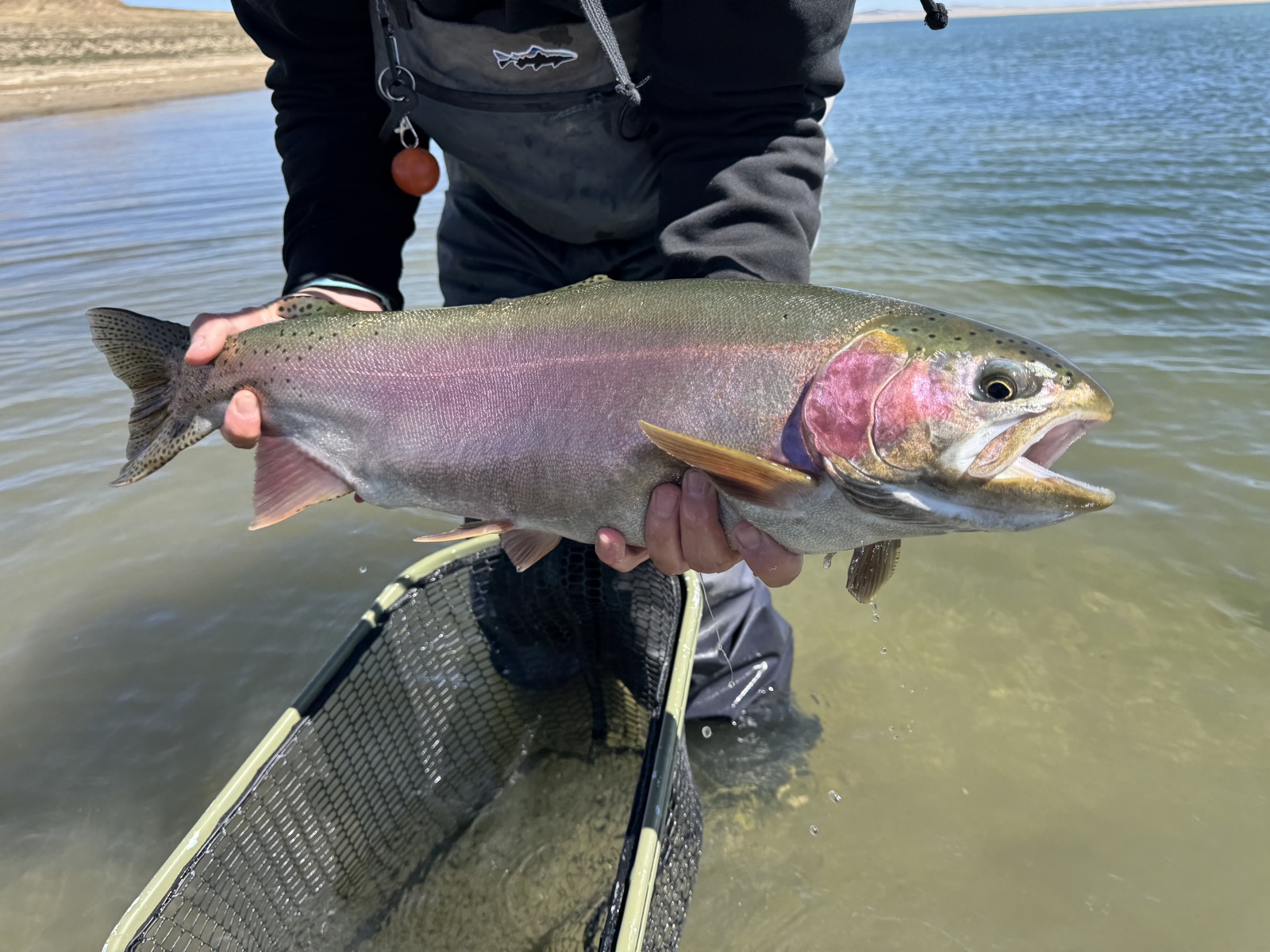
Three things I'm bringing back to the rest of my season:
Smaller chironomids earlier. The instinct on a hot bite is to scale up for visibility. The fish that mattered keyed on smaller patterns. I'm starting smaller more often this season — even on bluebird days when the conventional move is bigger. The starting size I default to in Colorado is getting reset.
Scuds in the rotation everywhere with weed beds. Not as a primary, but as the second-string fly when the chironomid window slows. On lakes with the right structure — the ones I named above plus a lot of the Front Range stillwaters — that swap will be the difference between a slow afternoon and one that keeps going.
Depth, depth, depth. Depth changes faster than spot — adjust between drifts, not just between spots.
The Patterns I Leaned On
The chironomid foundation came straight from my own catalog — the boring, dialed-in chironomid box that produces in South Park produced just as well in Wyoming. A couple of the patterns I tied for Antero did most of the lifting on the rig, just in smaller sizes than I'd usually start with. New patterns don't beat dialed-in old ones. The angler who knows their box catches more fish than the angler shopping for whatever's new in the catalog.
Scuds are the honest gap. I didn't have a scud rotation in my box when I went on this trip, and that's something I'm fixing before my next stillwater day — not a teaser, just a thing that wasn't there yet.
The Bottom Line
The trip won't be the standard. Most weeks won't recalibrate what good fishing feels like. But the lessons will travel through the rest of my Colorado season — smaller patterns earlier, scuds added to the box, depth as the first thing dialed every time. Not a bad return for a couple of days off the home grid.
The other thing the trip did was raise the bar. A day where 5-to-7 pound hens stop registering recalibrates what good fishing feels like — and after that, "the bite was tough" stops being a complete answer. There's always more depth to dial or another pattern to test.
Tight lines.
Get the Patterns Used in This Article
Every fly mentioned in this guide is hand-tied fresh to order by Thomas Frank. Proven on Colorado's best stillwaters — tied on 2x heavy wire hooks with tungsten beads.
Sharpen the chironomid game
-
Best Chironomid Fly Patterns
The 5 patterns every Colorado stillwater angler needs in the box.
-
Chironomid Depth Control
Why depth is the most important variable on stillwater — and how to actually dial it.
-
Antero Reservoir Chironomid Patterns
Colors, sizes, and depths that produce on Antero — and travel.
-
Balanced Leeches Under Indicators
The Colorado stillwater secret weapon — same indicator, different fly.
Comments